
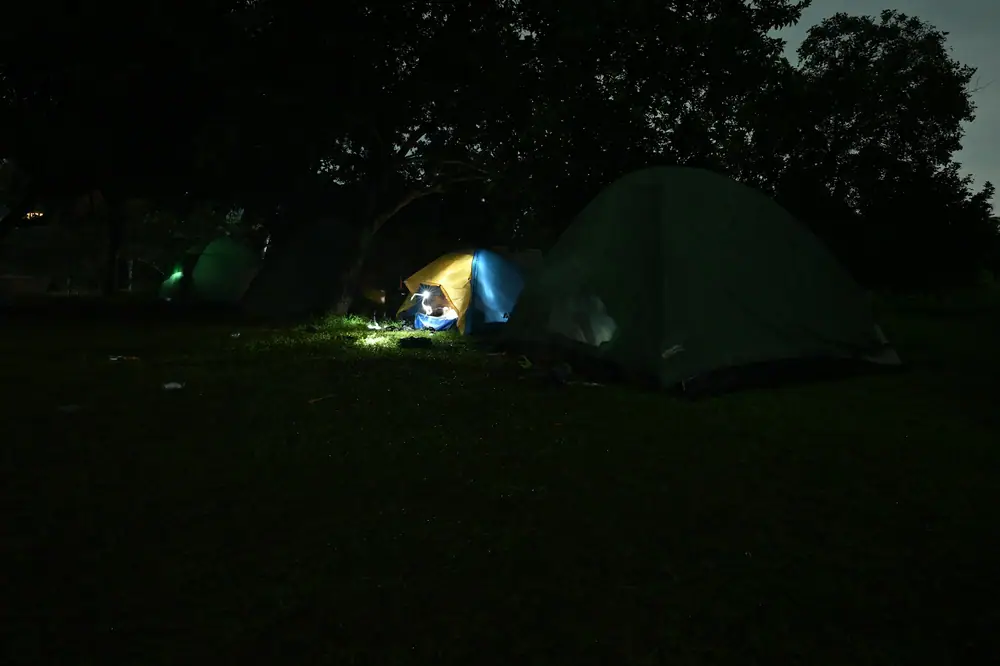
The first night in a tent is exciting, and excitement is the enemy of sleep. Add a new bed, strange noises and summer light at 9 p.m., and it is no surprise many families remember that night as long.
The good news is that most of what keeps children awake outdoors can be solved with a bit of planning. Here are the main challenges and what helps with each.
Keep bedtime familiar
Children rely on routine to know it is time to sleep. The more of the home routine you can bring, the easier it is. If bedtime at home is bath, pajamas, two books and a song, then at camp it can be a warm wash with a cloth, pajamas, the same two books and the same song. The setting is new; the steps are the same.
Try to keep bedtime within half an hour of the normal time. It is tempting to let children stay up for the campfire, and one late night is fine, but two in a row usually ends in tears on day three.
Deal with light
In summer, it can still be light at 9 p.m. and bright again by 5 a.m. Tents do little to block it. Options that help:
- Choose a tent with a darker inner or a "dark room" type bedroom if you are buying new.
- Pitch the tent where trees shade it from the early morning sun.
- Offer eye masks to children who will wear them; many older kids enjoy them.
- Use only warm or red lights inside the tent after bedtime, so adults can move around without waking anyone.
Beat the cold from below
Children tend to kick off covers and wriggle out of sleeping bags, and they lose heat quickly. The most common reason a child wakes cold is that they have rolled off their pad onto the cold floor. Solutions include putting two pads side by side, using a pad wide enough for the child to roll on, or placing a folded blanket under the whole sleep area.
| Problem | What usually helps |
|---|---|
| Child rolls off pad | Wider pad, or two pads pushed together with a sheet over the top |
| Kicks off the sleeping bag | A wearable sleep sack or zipping the child into a child-length bag |
| Cold feet | Dry wool socks put on right at bedtime, never the day socks |
| Cold head | A soft hat, taken off if they get too warm |
| Wakes damp | Open a vent; move bags away from tent walls |
Explain the noises
Owls, wind in the trees, rustling leaves and neighbors zipping tents all sound much louder in the dark. Talk about the noises before bed so they are expected: "You might hear an owl tonight, it goes hoo-hoo." Some families make a game of it and keep a list of "night sounds" to share at breakfast. A white-noise app at low volume can also cover campground sounds, especially for babies and toddlers who use one at home.
Tell children what they might hear before the lights go out. An expected owl is interesting; a surprise one is scary.
When someone wakes at 3 a.m.
Wake-ups will happen. Plan for them so they are quick and quiet:
Keep within reach
- Headlamp set to red light
- Wipes and a potty or pee bottle
- A spare pair of pajamas
- Water bottle
Keep it calm
- Speak in a whisper
- Deal with the need, then straight back to the bag
- Avoid turning on bright lights
- Offer a hand to hold until they settle
If a child is truly unhappy and cannot settle, a short walk to the car and a sit in the back seat with a blanket can reset things. It is warm, familiar and quiet, and many children fall asleep there and can be carried back.
The second night is easier
Almost every family finds the second night better than the first. Children are tired from a full day outdoors and the tent already feels like theirs. If the first night was rough, change just one thing for the second: add a layer under the pads, adjust bedtime, or move the child to a different spot. Then give it another go.
For the full sleep gear list, see our family sleep kit checklist.
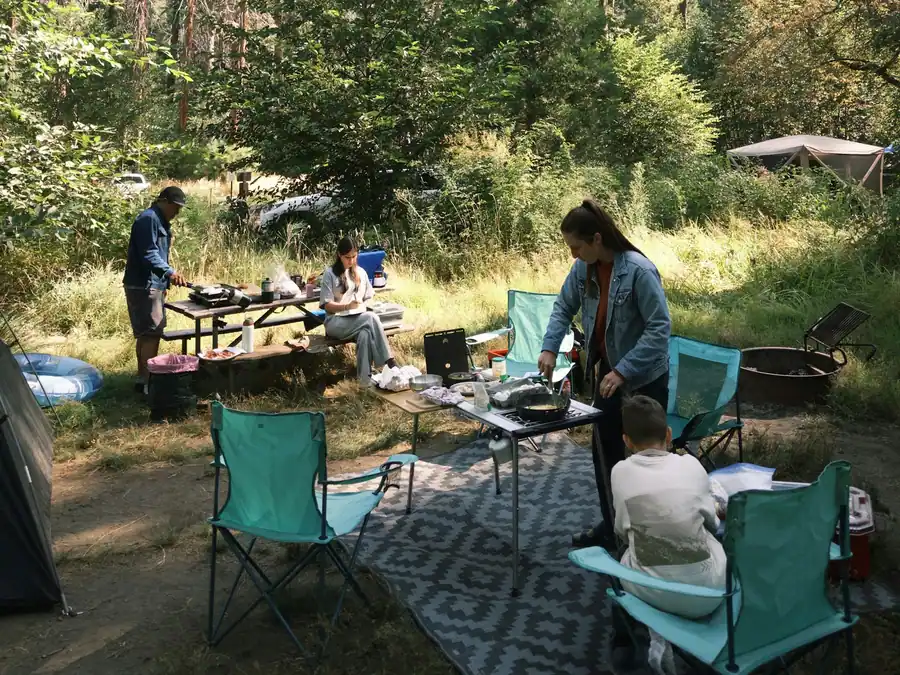 How to Choose a Family-Friendly Campsite
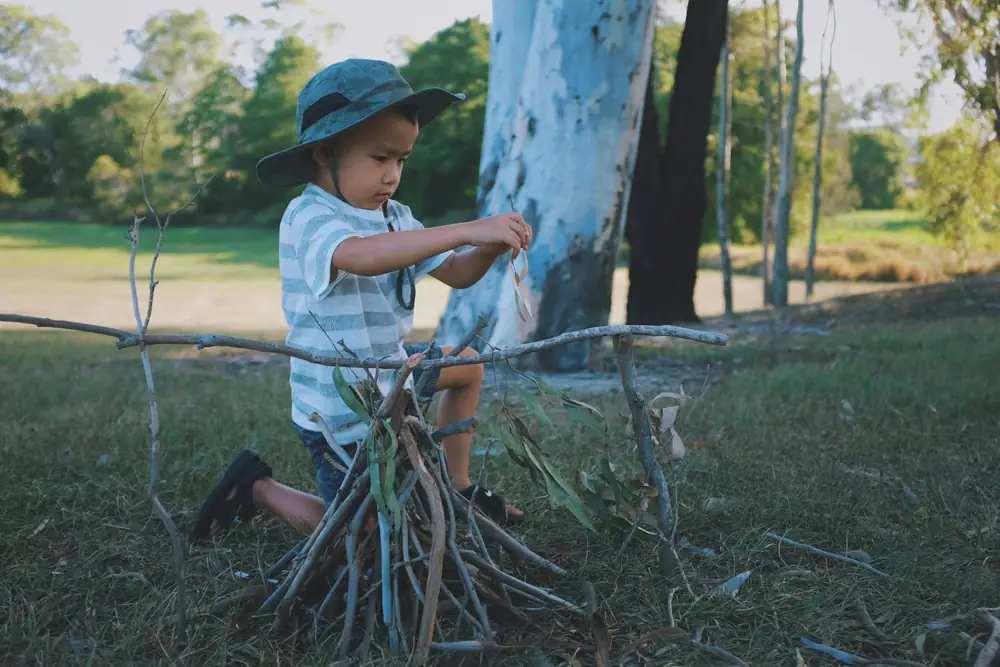 15 Campsite Activities for Kids of Every Age
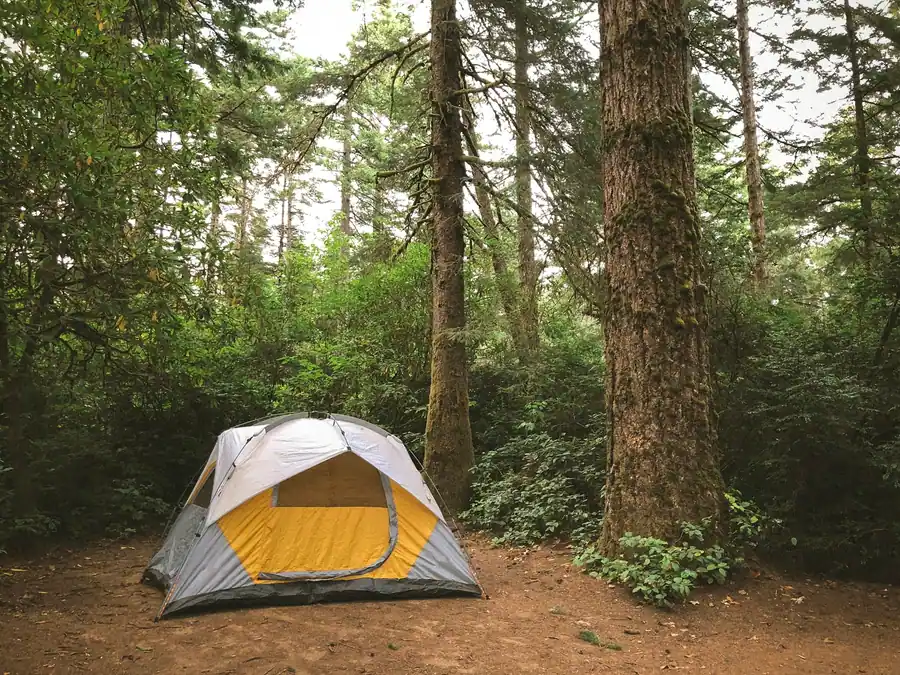 Rainy-Day Camping With Kids: A Practical Plan