
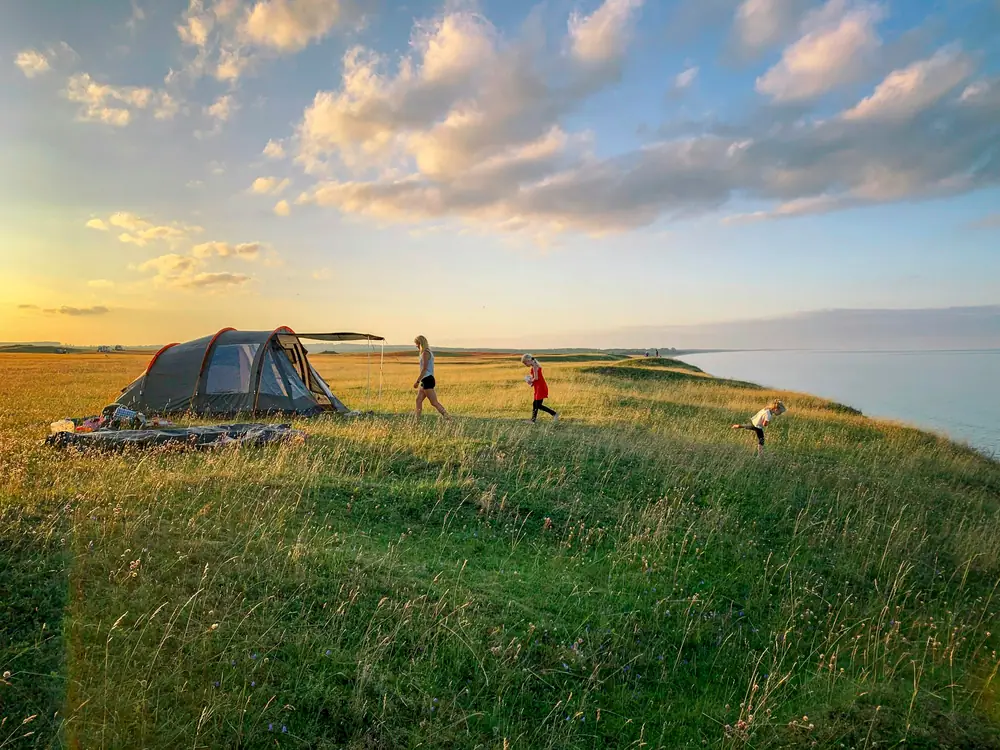
Camping with a baby or toddler is mostly about recreating three things from home: a safe place to sleep, a predictable way to eat, and a clean, warm body. Get those right and the rest of the trip tends to look after itself.
This list is built around the way under-threes actually spend a day at camp: short bursts of exploring, long stretches in arms or a carrier, frequent snacks and changes, and a bedtime that arrives while the adults are still cooking. It assumes car camping at a developed campground with a short walk from the car, which is where most families start. If you are hiking in, cut the list down by weight but keep every item in the sleep and first-aid groups.
The checklist
Safe sleep space
Feeding
Diapers & washing
Clothing & layers
Containment & carrying
Baby health & comfort
How to use this list
Pack by group rather than by room. Put each group in its own labeled bag or packing cube so that anyone in the family can find the diaper kit at 2 a.m. without unpacking the car. The sleep group should be the last thing loaded and the first thing out, so the bed is up before anything else.
Sleep safety comes first
The advice that keeps babies safe at home still applies in a tent. Put infants to sleep on their back, on a firm flat surface, with no pillows, loose blankets, bumpers or soft toys. Adult sleeping bags and air mattresses are not safe sleep surfaces for a baby. Use a wearable sleeping bag instead of a blanket, and dress in layers you can remove if the tent warms up in the morning sun. If you are unsure what is right for your child, ask your pediatrician before the trip.
| Night low | What most babies wear to bed | Check |
|---|---|---|
| Above 65°F / 18°C | Cotton sleepsuit + light sleep sack | Neck and back feel warm, not sweaty |
| 50–65°F / 10–18°C | Long-sleeve base layer + fleece sleepsuit + warmer sleep sack | Check at your own bedtime |
| Below 50°F / 10°C | Wool or fleece base, fleece suit, warm-rated sleep sack, hat | Consider a cabin or yurt for a first trip |
Treat the table as a starting point, not a rule. Every child runs warmer or cooler, and tents vary. The reliable test is a hand on the back of the neck: warm and dry is right, clammy means remove a layer, cool means add one.
What you can leave at home
Bath tubs, big toy bins and full-size strollers usually come home unused. A few stacking cups, a board book and a bucket keep toddlers busy for hours because everything around them is new. Sticks, pine cones and water are the best toys at camp, and they pack themselves.
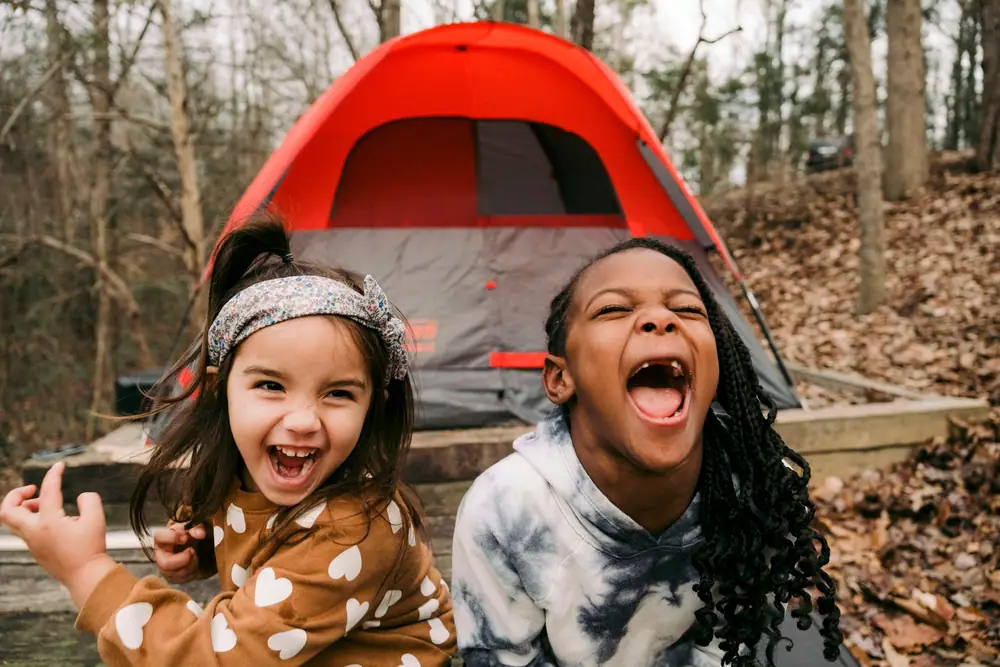 Kids Packing List by Age
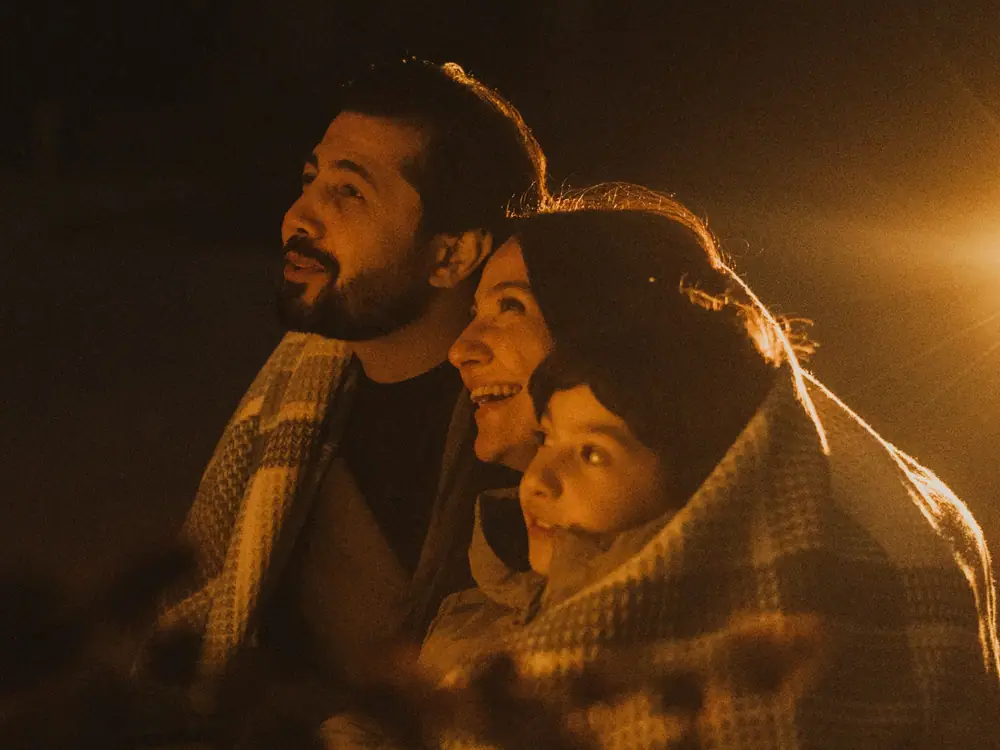 Family Sleep Kit Checklist
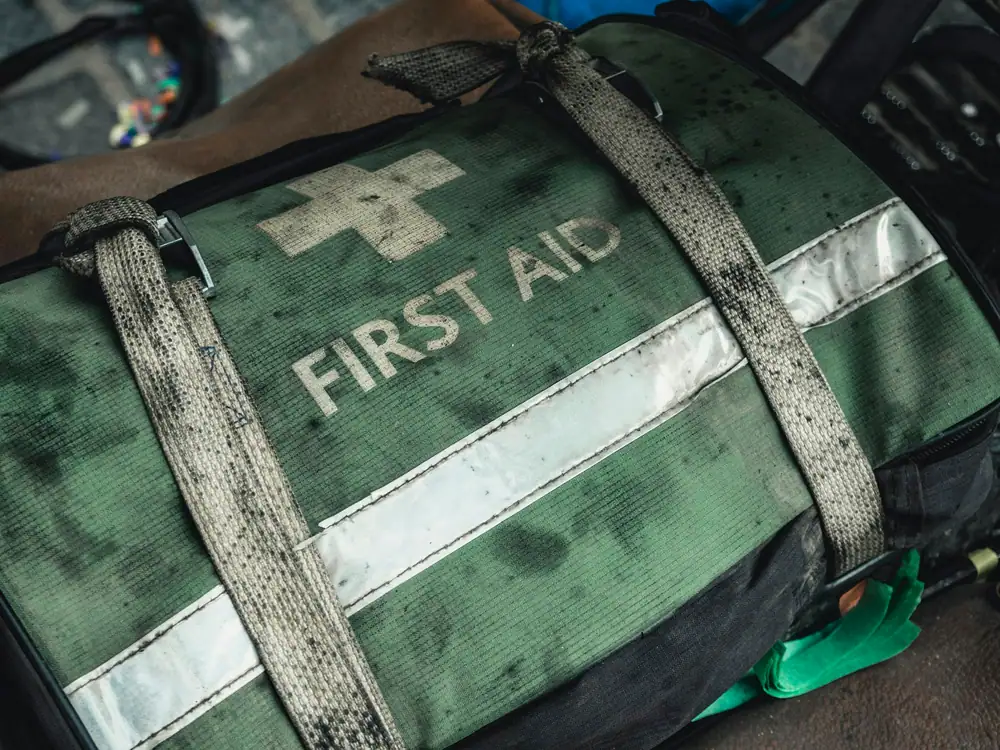 Family First-Aid Kit Checklist